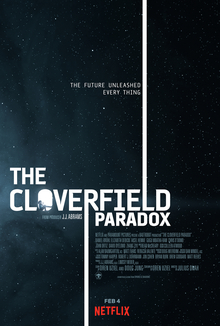
The Cloverfield Paradox: Netflix's Most Exciting Super Bowl Movie Reveal
The Super Bowl isn't just a championship game; it's an unparalleled cultural phenomenon, and for advertisers, it's the biggest stage in the world. Companies shell out millions for a precious 30-second slot, hoping to capture the attention of over 100 million viewers. While many use this opportunity to launch traditional product campaigns or tease upcoming blockbusters, Netflix once redefined the game with a singular, audacious move: the immediate release of The Cloverfield Paradox. This wasn't just a trailer; it was an event, a live-action demonstration of the streaming giant's disruptive power, solidifying its place in the annals of Netflix Super Bowl movie reveals.
For years, Netflix has had an on-again, off-again relationship with the Super Bowl's advertising spectacle. In its early days, as far back as 2014, the company primarily used its ad space to promote its diverse library of licensed content, showcasing popular titles like Sons of Anarchy, The Walking Dead, and The Office—many of which have since moved on from the platform. There were years of absence, too, as the company weighed the astronomical cost against the potential return. But 2018 marked a moment of pure genius, a reveal so unexpected and impactful that it continues to be discussed years later. It wasn't just a preview; it was the ultimate instant gratification for a hungry audience.
The Unprecedented Drop: How The Cloverfield Paradox Rewrote Super Bowl Advertising
Imagine the scene: Super Bowl LII is underway, millions are glued to their screens, and the usual flurry of high-production, high-budget commercials begins. Amidst the humor and celebrity cameos, a trailer for a new movie drops. Nothing unusual there, except this wasn't just any movie, and this wasn't just any trailer. It was for The Cloverfield Paradox, a film rumored to be in development for a while, a mysterious entry in a beloved sci-fi franchise.
The trailer itself was exciting, promising interdimensional chaos and a compelling narrative. But it was the kicker that sent shockwaves through social media and living rooms across the nation: "Available tonight on Netflix." Not "coming soon," not "this summer," but "tonight." Within hours of the Super Bowl’s conclusion, viewers could stream the movie instantly. This move was revolutionary for several key reasons:
- Instant Gratification: In an age of binge-watching and on-demand content, Netflix leveraged the live-event buzz directly into immediate consumption. There was no agonizing wait, no months of marketing build-up; just the reveal and the immediate payoff.
- Unparalleled Buzz: The surprise element generated an enormous amount of conversation, far more than a conventional trailer drop would have. News outlets, social media, and word-of-mouth exploded with discussions about Netflix's audacious strategy.
- Disrupting Traditional Marketing: For decades, movie studios adhered to a predictable marketing cycle: teaser, trailer, poster, more trailers, release. Netflix shattered this mold, proving that with the right platform and content, direct-to-consumer immediate release could be a powerful tool.
- Solidifying Brand Identity: This act reinforced Netflix's image as an innovator, a company willing to take risks and challenge established norms in the entertainment industry. It highlighted their unique ability to distribute content globally and instantly.
While The Cloverfield Paradox itself garnered mixed reviews from critics, often described as disappointing despite the brilliant marketing, the impact of its Super Bowl reveal cannot be overstated. It was a masterclass in event marketing, transforming a simple commercial slot into a genuine cultural moment. The conversation wasn't just about the game or the ads; it was about "Did you see what Netflix just did?"
The Strategy Behind the Surprise: Risk, Reward, and Viewer Engagement
The decision to drop The Cloverfield Paradox with such immediacy was a calculated gamble, reflecting Netflix's then-aggressive expansion into original content. The stakes were incredibly high – not just the multi-million dollar ad spend for the Super Bowl spot itself, but also the investment in the film's production. Yet, the potential rewards were even greater.
Analyzing the High-Stakes Strategy:
- The "Fear of Missing Out" (FOMO): By making the film available immediately, Netflix capitalized on the inherent human desire to be part of a current conversation. Viewers knew that if they didn't watch it that night, they'd be behind the curve.
- Brand Reinforcement: This move positioned Netflix not just as a content provider, but as a groundbreaking innovator. It underscored their global reach and ability to deliver content on an unprecedented scale, instantaneously to subscribers worldwide. This strategic gambit is a prime example of the kind of audacious Netflix Super Bowl movie reveals that drive significant brand engagement.
- Data Insights: An immediate release provides valuable, real-time data on viewership patterns, audience engagement, and the effectiveness of a direct marketing approach. This information can then be fed back into future content acquisition and distribution strategies.
- Competitive Edge: At the time, Netflix was solidifying its lead in the burgeoning streaming wars. A move like this sent a clear message to competitors: Netflix was not afraid to innovate and disrupt.
However, there are always inherent risks. The mixed critical reception of The Cloverfield Paradox after its debut could have undermined the marketing coup. Fortunately for Netflix, the sheer audacity of the reveal overshadowed the film's quality for many, making it a memorable event regardless. The focus became less about the movie's merit and more about the revolutionary distribution strategy.
Beyond the Paradox: Netflix's Evolving Super Bowl Presence
While The Cloverfield Paradox remains a benchmark for Netflix's Super Bowl strategy, it wasn't a blueprint for every subsequent year. The streamer's approach to the big game has continued to evolve, often reflecting broader shifts in their business model and marketing priorities. There have been years, like 2015, 2016, 2020, and 2021, where Netflix opted out of Super Bowl advertising entirely. This sporadic presence is often attributed to the soaring costs of ad spots, which now routinely exceed $10 million for just 30 seconds.
In 2022, Netflix returned to the Super Bowl, but with a more traditional strategy, showcasing its expansive 2022 movie slate. The ad featured glimpses of anticipated titles like Knives Out 2, The Gray Man, Enola Holmes 2, and prominently highlighted The Adam Project starring Ryan Reynolds. This approach, while effective in generating awareness, lacked the immediate gratification and disruptive surprise of The Cloverfield Paradox. It was a clear shift from direct content drops to more conventional preview marketing, signaling a nuanced approach to ad spend ROI. If you're curious about why they sometimes sit out, explore Why Netflix Sits Out Super Bowl Movie Ads Amid Soaring Costs.
Most recently, Netflix's Super Bowl strategy has leaned towards innovative partnerships. In 2023, for instance, instead of directly advertising their own films, they collaborated with General Motors (GM). The ad promoted GM's electric vehicle (EV) range, cleverly integrating vehicles from popular Netflix properties like Squid Game and Army of the Dead. This partnership extended beyond the commercial, with Netflix committing to increasing the presence of EVs in their original shows and films and educating creators on sustainable production practices. This kind of cross-promotional strategy indicates a maturation in Netflix's marketing, moving from pure content promotion to broader brand synergy and corporate responsibility.
The Future of Netflix Super Bowl Movie Marketing: What's Next?
Given the ever-increasing cost of Super Bowl ad space and Netflix's evolving marketing objectives, the future of their "big game" strategy is uncertain. Will we ever see another immediate netflix super bowl movie drop like The Cloverfield Paradox? It's certainly possible, but it would require a confluence of factors:
- A Truly Anticipated Title: To justify the enormous cost, the chosen film would need to be a major property with significant pre-existing buzz or a surprising entry into a beloved franchise.
- A Strategic Imperative: The immediate release would likely need to serve a specific, overarching business goal, perhaps to counter a competitor's move, launch a new subscription tier, or redefine their content delivery again.
- Innovation Beyond Expectation: Simply repeating the Cloverfield Paradox trick might not generate the same shock and awe. Netflix would need to find a new way to surprise and delight viewers.
For brands and content creators watching from the sidelines, Netflix's journey offers valuable lessons. Innovation isn't just about throwing money at the problem; it's about understanding your audience, leveraging unique distribution capabilities, and being brave enough to disrupt traditional models. The Cloverfield Paradox proved that the element of surprise, coupled with instant access, can create an unparalleled marketing moment, even if the content itself doesn't become an instant classic.
In conclusion, while The Cloverfield Paradox may not have been Netflix's most critically acclaimed film, its Super Bowl debut was undoubtedly one of Netflix's most exciting and impactful marketing moments. It showcased a bold, disruptive strategy that momentarily rewrote the rules of movie promotion and solidified the streamer's reputation for innovation. As Netflix continues to navigate the competitive streaming landscape and the high stakes of Super Bowl advertising, one thing remains clear: their approach to capturing audience attention is as dynamic and unpredictable as their content library itself. The spirit of that surprise netflix super bowl movie reveal continues to inspire and intrigue, reminding us of the power of a perfectly timed, audacious move.